Culture
The objects nobody notices
Fire alarms, drain covers, street signs: the unglamorous hardware that quietly writes the character of a city block.
By Noah Williams••2 min read
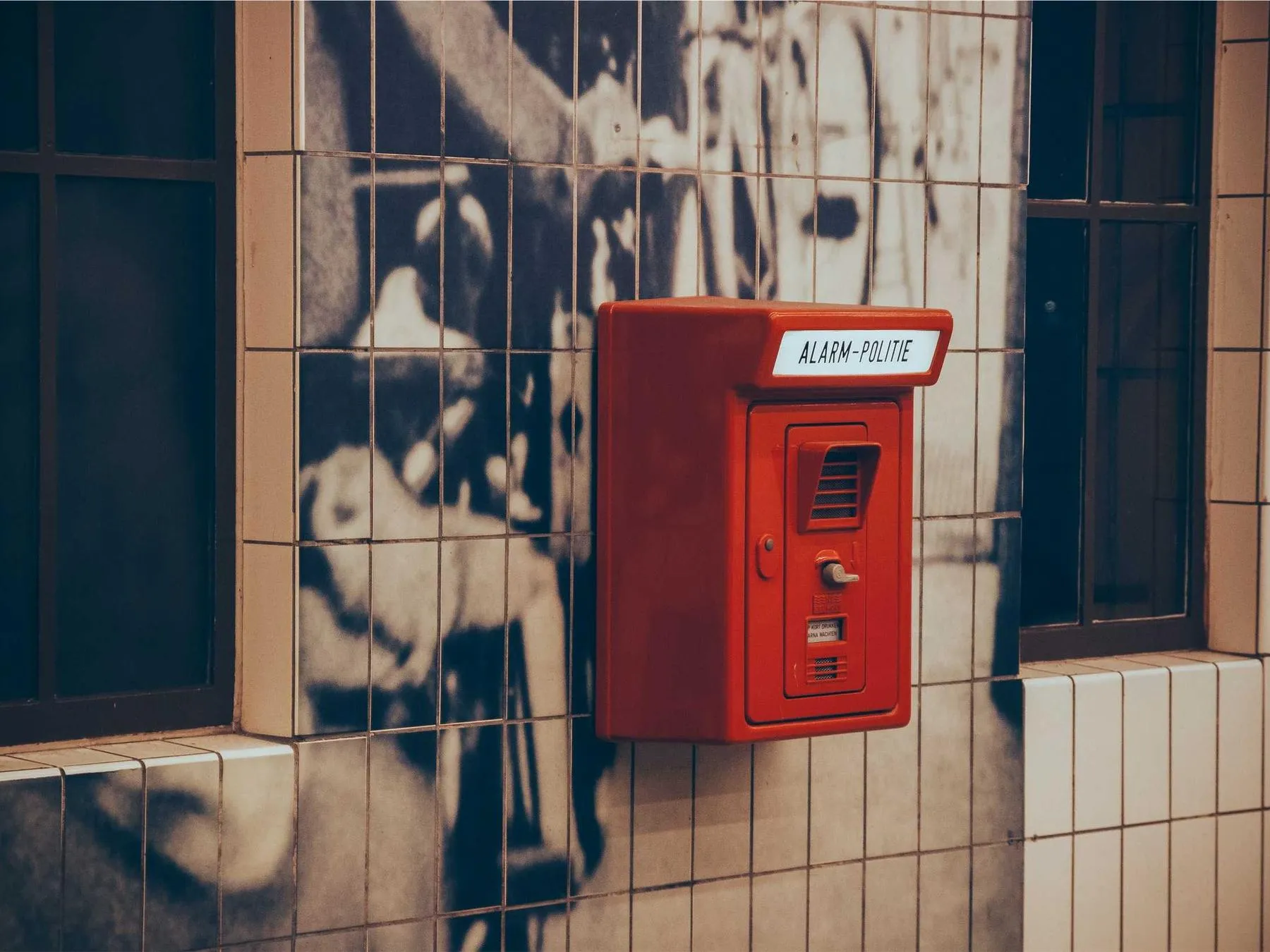
Nobody moves to a neighborhood for its alarm boxes. Nobody photographs the utility panel, the bollard, the drain cover stamped with a foundry’s name from three decades ago. And yet strip a street of all of it — every small piece of civic hardware nobody chose to notice — and something goes missing that’s hard to name and easy to feel.
Infrastructure has a face
Most of this hardware was never meant to be looked at, which is exactly why it ended up looking like something. A municipal supplier, a decade’s manufacturing standard, a maintenance crew’s habit of painting things the same red — none of it was designed as identity, and all of it became identity anyway, the way accents form without anyone deciding to have one.
The parts of a city built to be ignored are often the parts that tell you where you are.
— Noah Williams
Compare it to the deliberate stuff — the branded benches, the wayfinding systems, the plaza sculpture with a plaque. That work is trying to tell you something, and you can feel it trying. The alarm box isn’t trying. It’s just old, and specific, and still there.
What we lose when it’s all replaced at once
Cities renew their hardware in batches: new signage families, new street furniture contracts, a uniform palette rolled out block by block. Each decision is reasonable on its own. Together, they erase the layered, accidental specificity that made one street read differently from the next.
Nobody will ever campaign to save a drain cover. But it’s worth noticing them before they go — if only to understand what, exactly, made the block feel like itself.