Culture
The city as canvas
Murals, hand-painted signs, and temporary interventions are giving streets a more democratic visual language.
By Noah Williams••1 min read
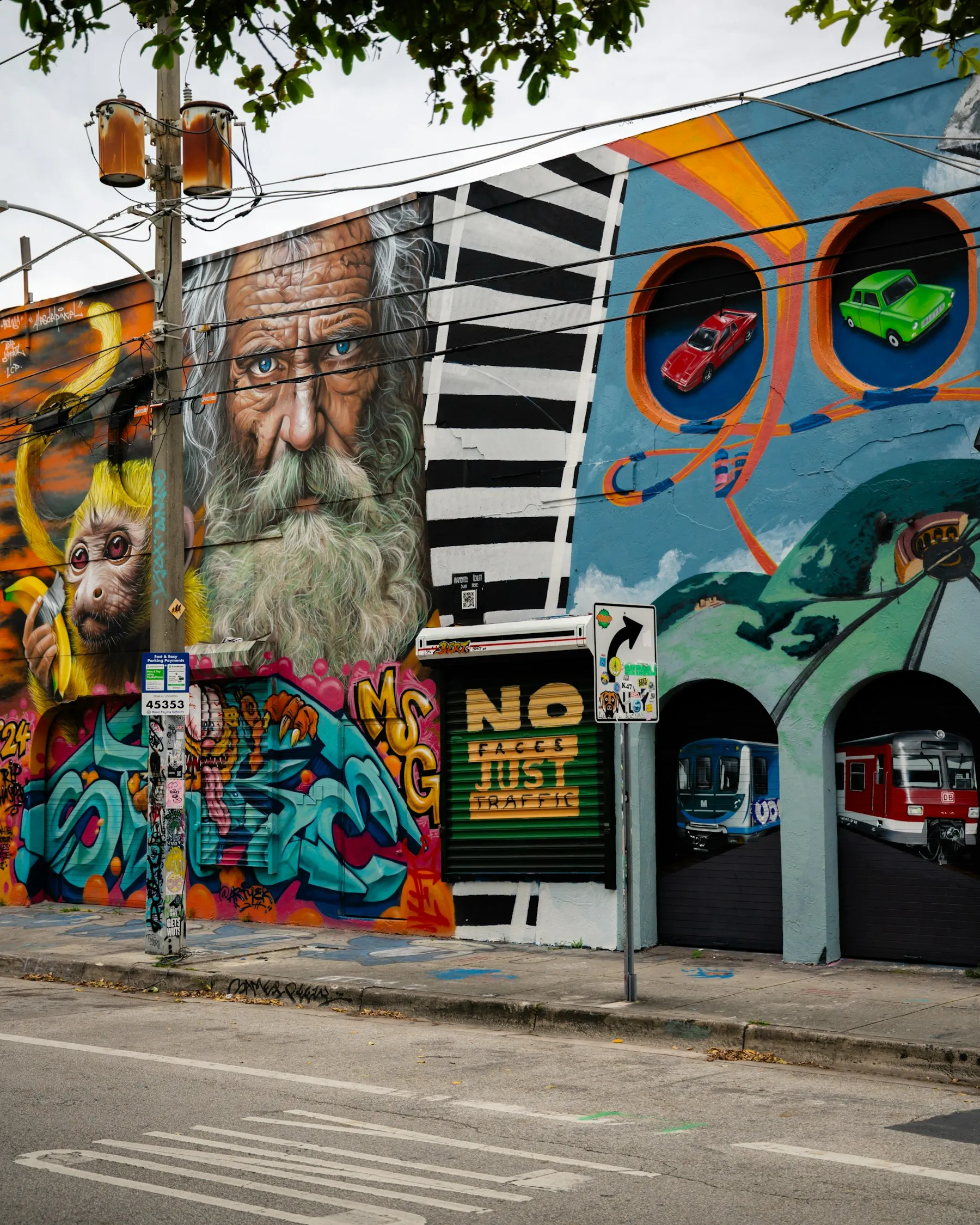
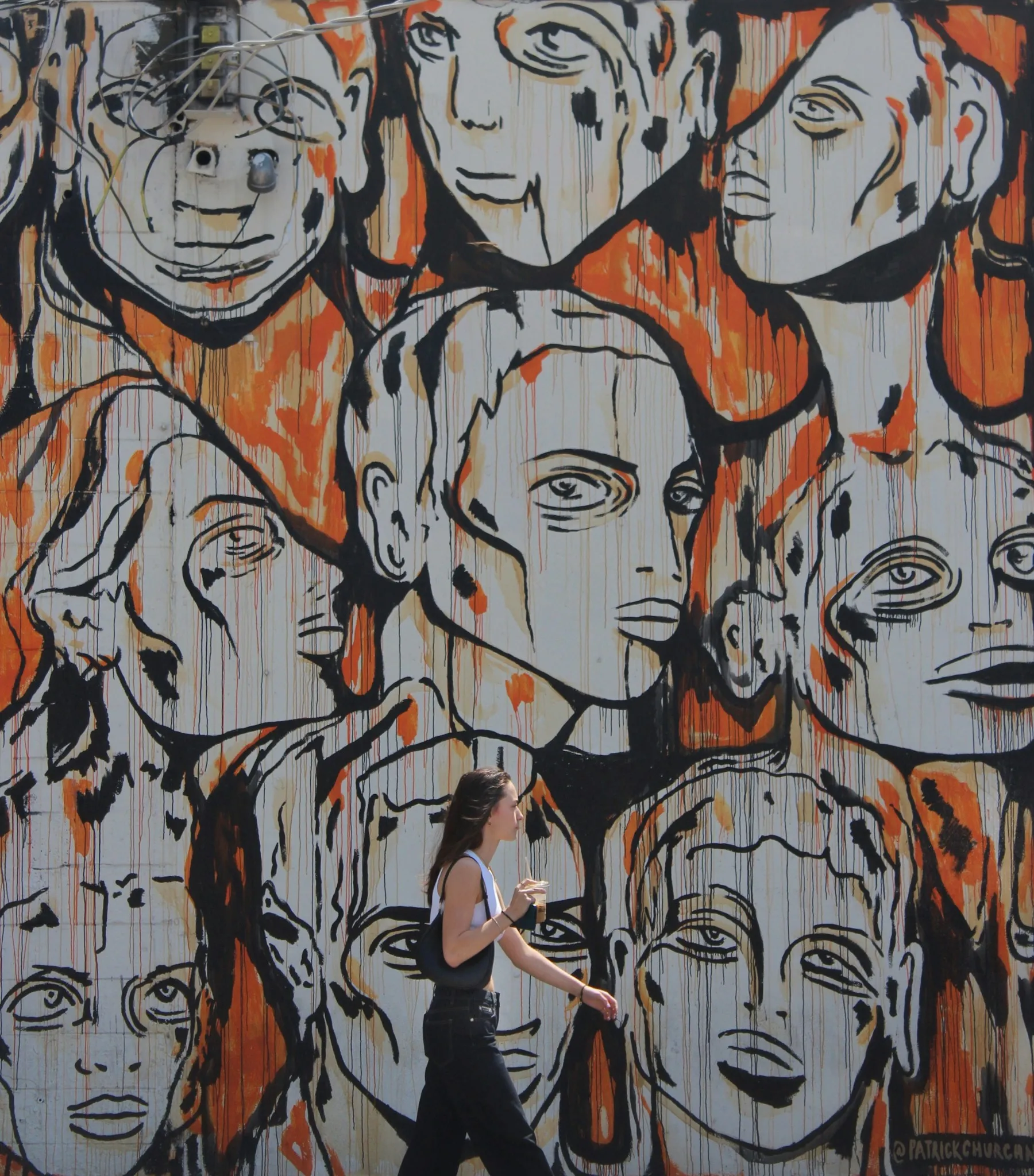
Street art is often discussed as an image when it is really a relationship: to a wall, a route, an audience, and the rules that govern who may change the city’s surface.
The most resonant works are specific to their sites. They borrow the proportions of a facade, acknowledge a shop sign, or build on marks already made. A photograph can circulate globally, but the work belongs to the corner where it changes a daily walk.
Who gets to leave a mark
Commissioned murals bring money and permission, but they can also turn public expression into branding. Unofficial work remains vulnerable, yet its speed gives it a different kind of responsiveness.
The city needs both durable landmarks and temporary voices. Their tension keeps the visual landscape alive—and reminds us that public space is never a finished composition.