Culture
The art of looking
A field guide to slowing down in museums, streets, and all the visual spaces we think we already know.
By Mara Velásquez••1 min read
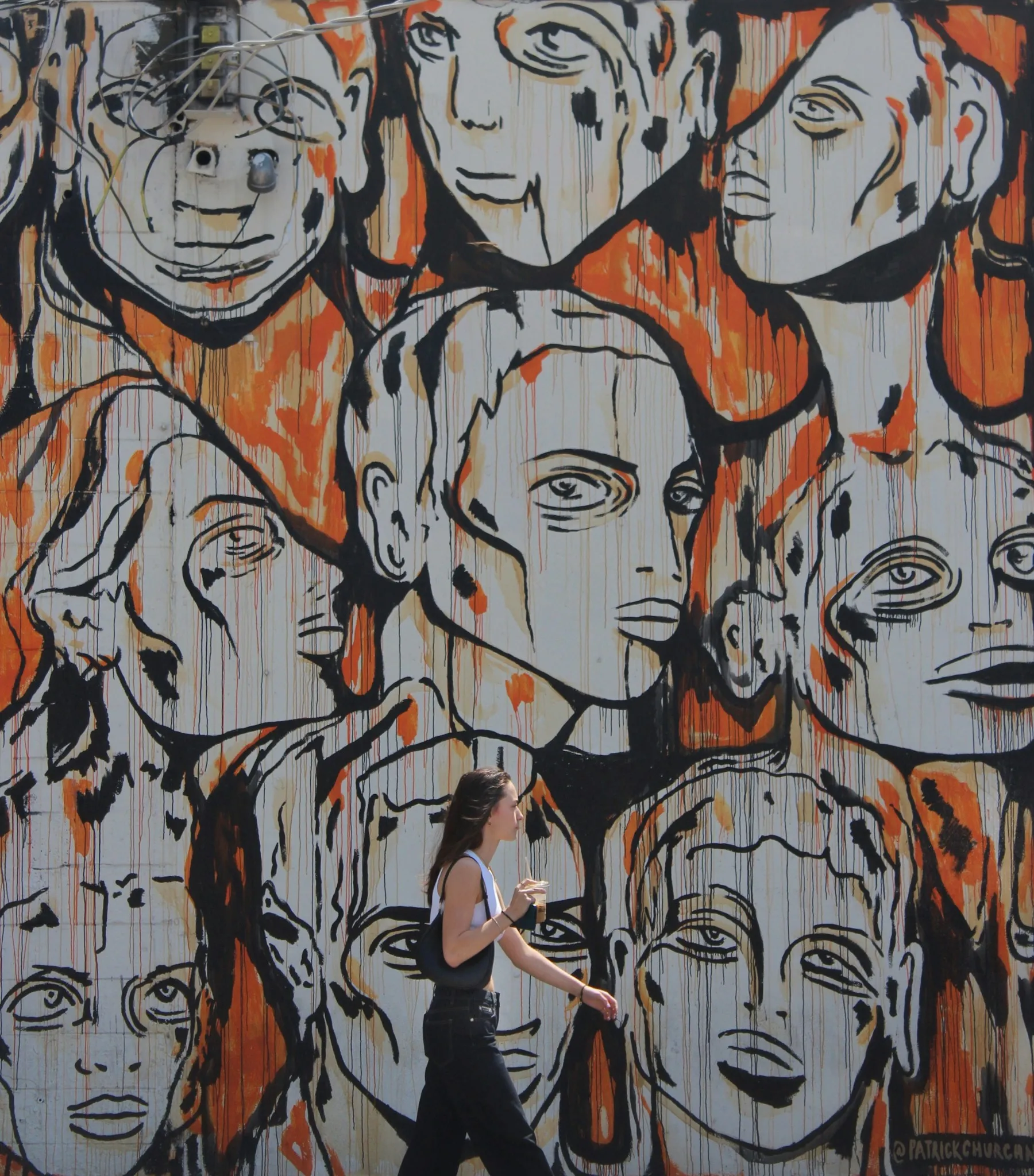
Vision feels automatic, which is why we rarely question how selective it is. We register signs, faces, edges, and obstacles, then discard most of what passes through the frame. Artists train themselves to resist that efficiency.
Change the scale
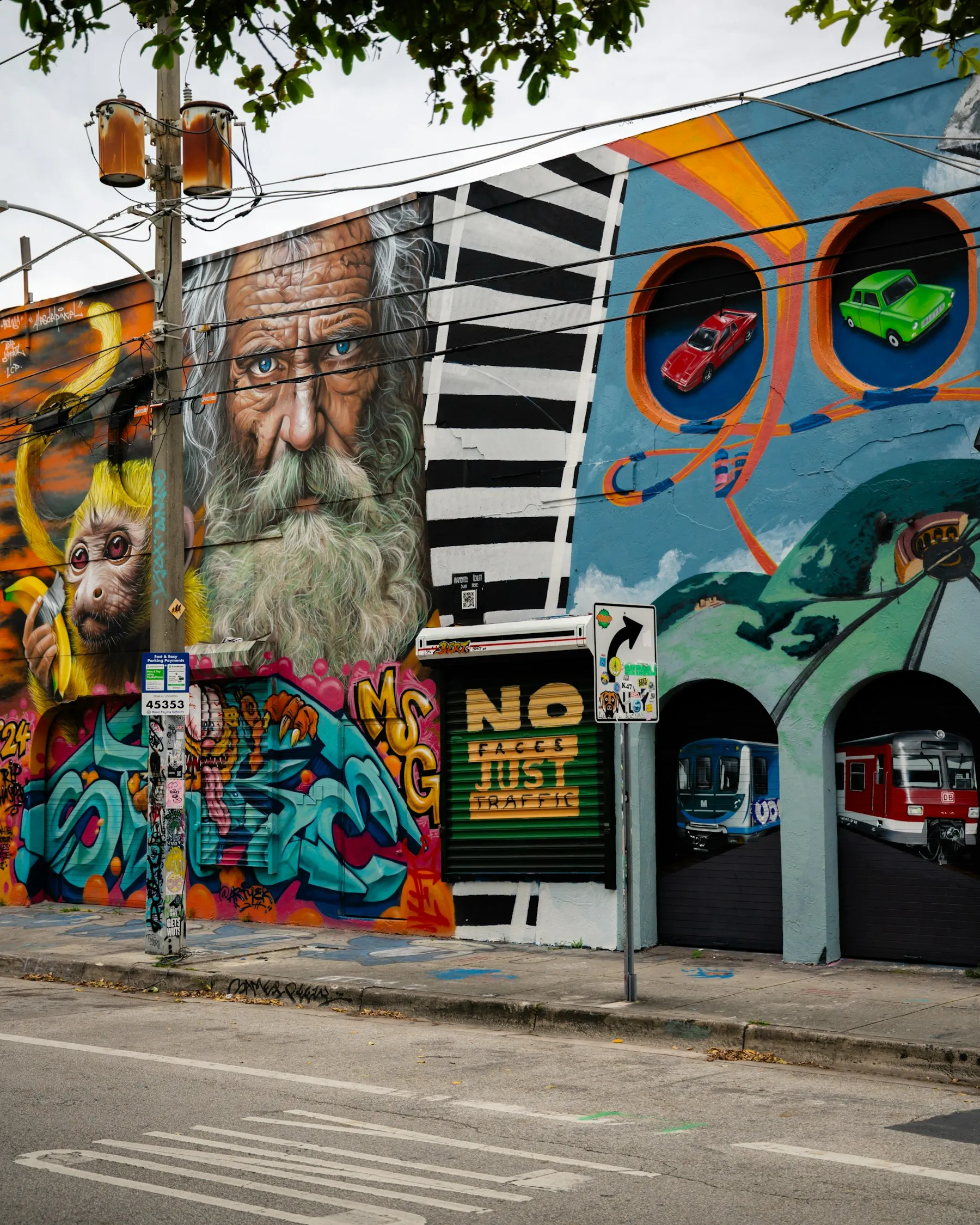
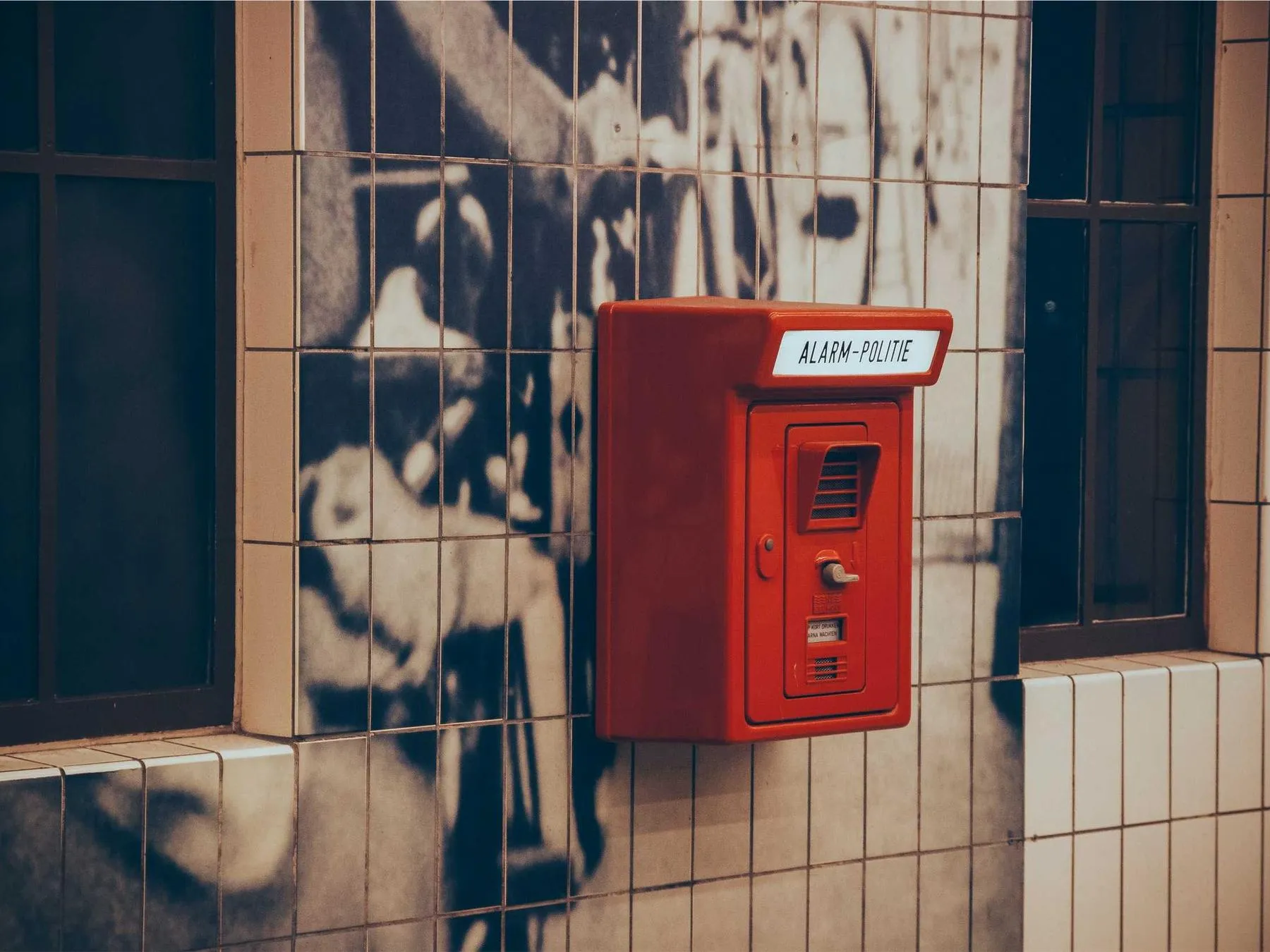
Start with a familiar street. Look only at thresholds: doors, curbs, windows, the line where private space becomes public. On another day, look only at repairs. A patched wall or replaced tile tells a story about care that a pristine facade cannot.
The same exercise works in a museum. Step close enough to see the material, then far enough away to understand the whole. Each distance gives different information, and neither owns the truth.
Attention turns the ordinary into evidence.
— Mara Velásquez
To look well is to make room for contradiction. Beauty can carry violence. An awkward object can contain intelligence. The reward is not certainty, but a world that keeps opening.