Architecture
What old streets still teach us
A canal town renovated for centuries, and the discipline of building for people who haven't arrived yet.
By Yuki Sato••2 min read
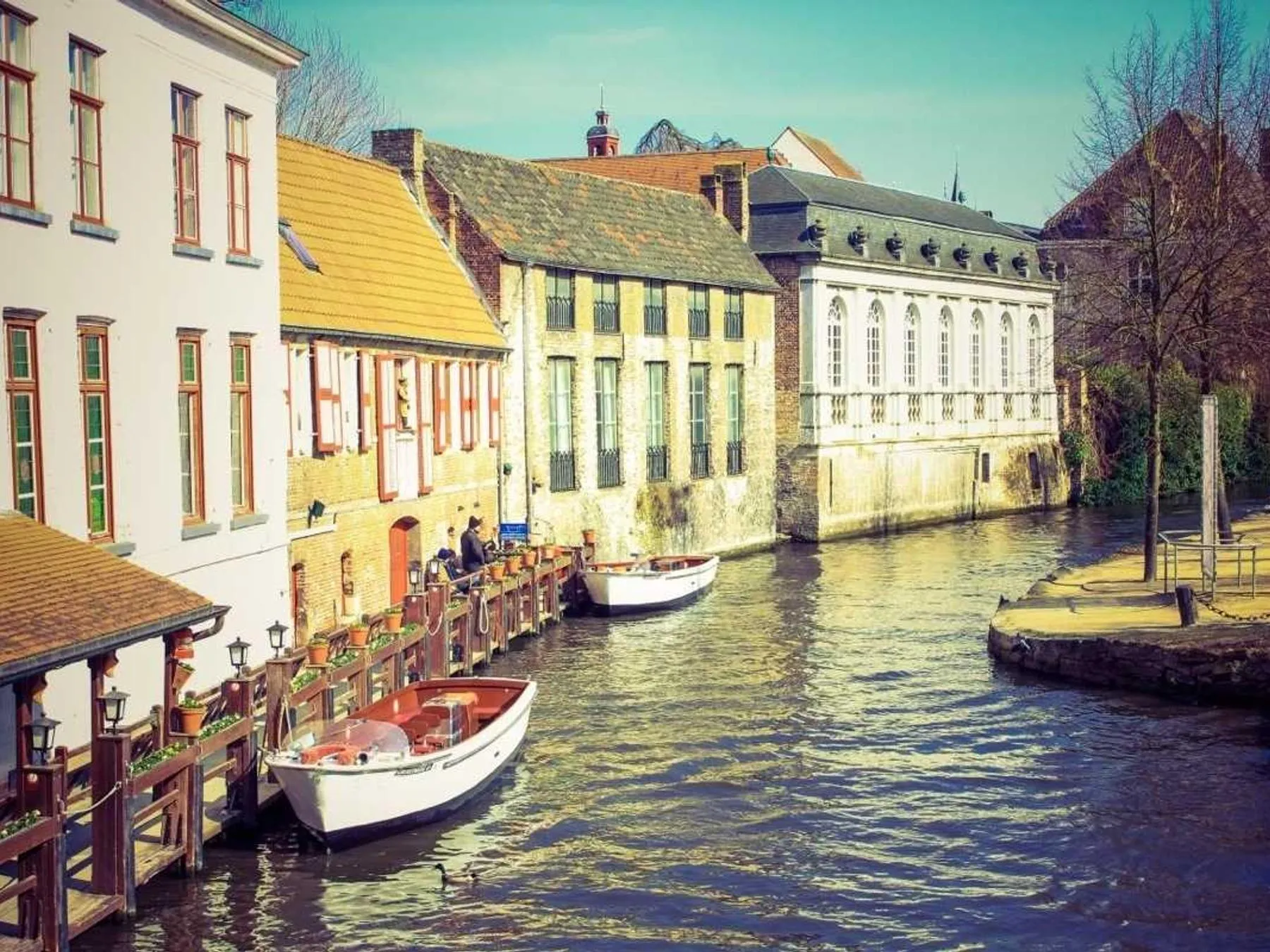
No architect alive today designed the street this house sits on. It was laid out, narrowed, rebuilt, and re-plastered by people who never saw a rendering, never ran a daylight simulation, and never once used the word “placemaking.” And yet it works — as a street, as a facade, as a place a stranger might want to stand still in for a minute.
Building without knowing who’s coming
Vernacular architecture is often praised for its charm and rarely studied for its method. But the method is the interesting part: these facades were built to be legible to someone who hadn’t been born yet. A roofline pitched to shed a climate that shifts by degree, not decade. A doorway sized for bodies, not brands. None of it optimized for a single tenant, because none of it assumed one.
A good street doesn’t perform for its first resident. It waits for its hundredth.
— Yuki Sato
Contemporary practice tends to design toward a brief — a client, a program, a five-year plan for the ground floor. That produces sharper buildings and shakier streets. The gap between the two is where most of our best-loved public spaces quietly live: buildings confident enough to be a little unfinished in their purpose.
The maintenance is the design
What actually held this street together for so long wasn’t a masterplan. It was upkeep — small, boring, continuous decisions to repoint a wall instead of replacing it, to match a brick instead of contrasting it. Adaptability, it turns out, is not a clever floor plan. It’s a culture of care that outlasts any single generation of owners.
That’s a harder thing to specify than a floor-to-ceiling window, and a far more durable one.