Architecture
The new shape of public space
How designers are making plazas, parks, and leftover urban corners useful to more kinds of people.
By Yuki Sato••1 min read
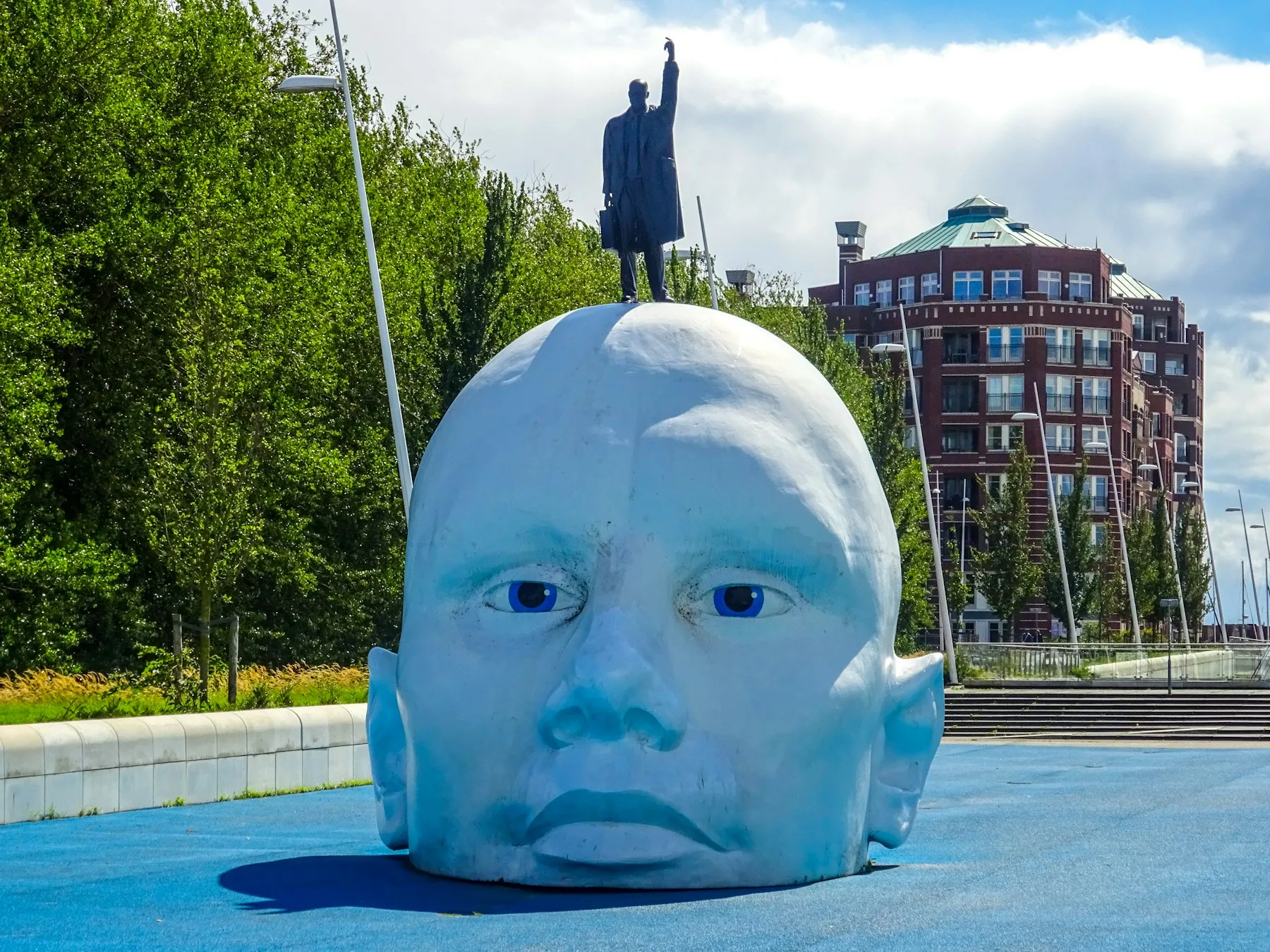
Public space is where a city reveals whom it expects to stay. A plaza without shade assumes short visits. A bench divided into narrow seats anticipates bodies but discourages rest. A playground without an accessible route makes its hierarchy plain.
Design begins after opening day
The most useful new projects begin with observation rather than a signature form. Teams count where people pause, how rainwater moves, when delivery bikes cross the square, and which edges feel safe after dark.
These projects are designed to change. Movable chairs replace fixed monuments. Planting creates microclimates. Power, water, and storage allow a market, performance, or neighborhood meal to happen without temporary infrastructure consuming the budget.
A public place succeeds when people can use it in ways the architect did not predict.
— Yuki Sato
Flexibility is not visual neutrality. It is the deliberate creation of choices—and the willingness to let the public finish the design.