Art
Beyond the white cube
The small, flexible exhibition spaces changing how art reaches neighborhoods and new audiences.
By Inés Hartmann••1 min read
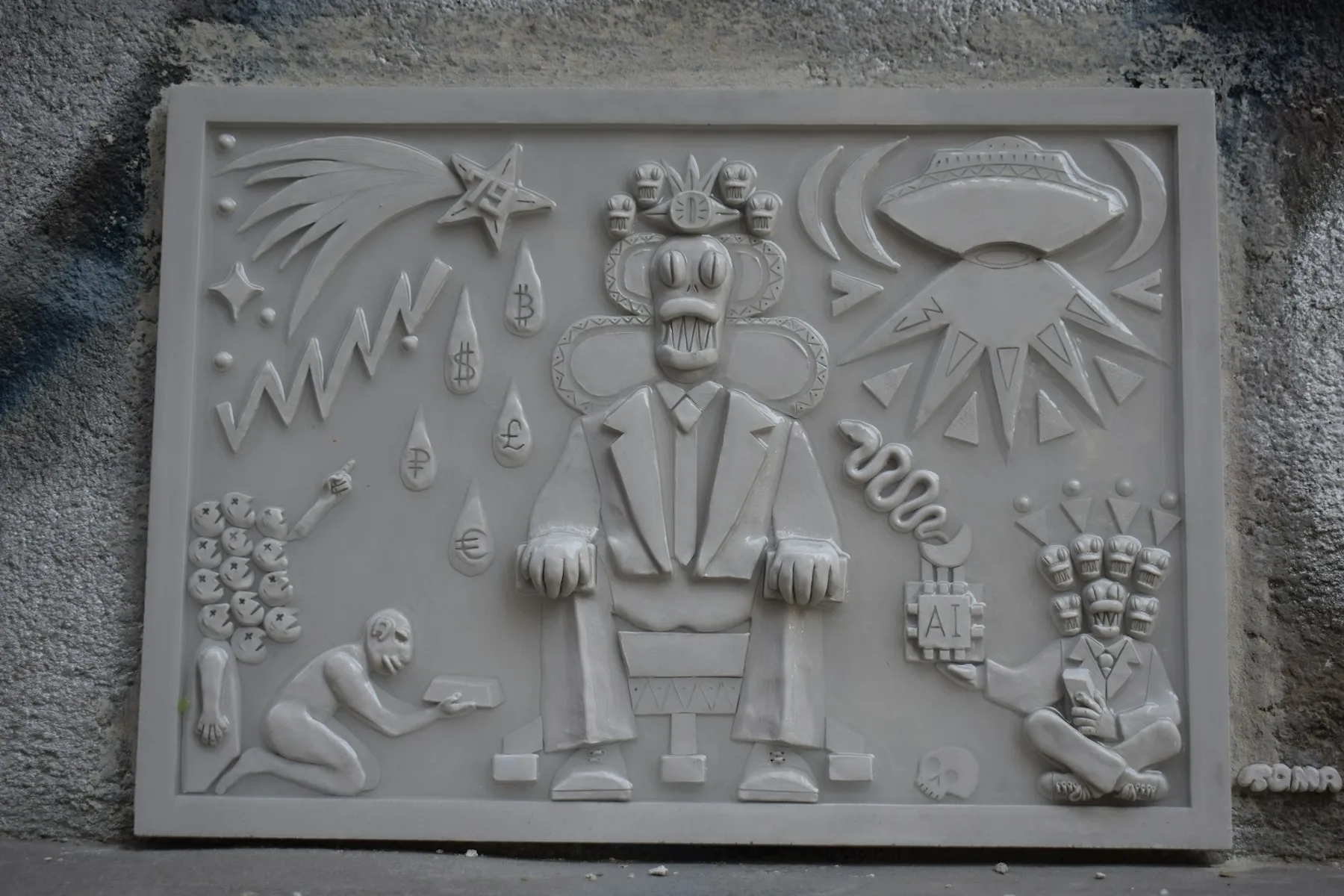
The white gallery promised neutrality, but no room is neutral. Rent, access, opening hours, and the invisible codes of behavior determine who feels invited long before a work is seen.
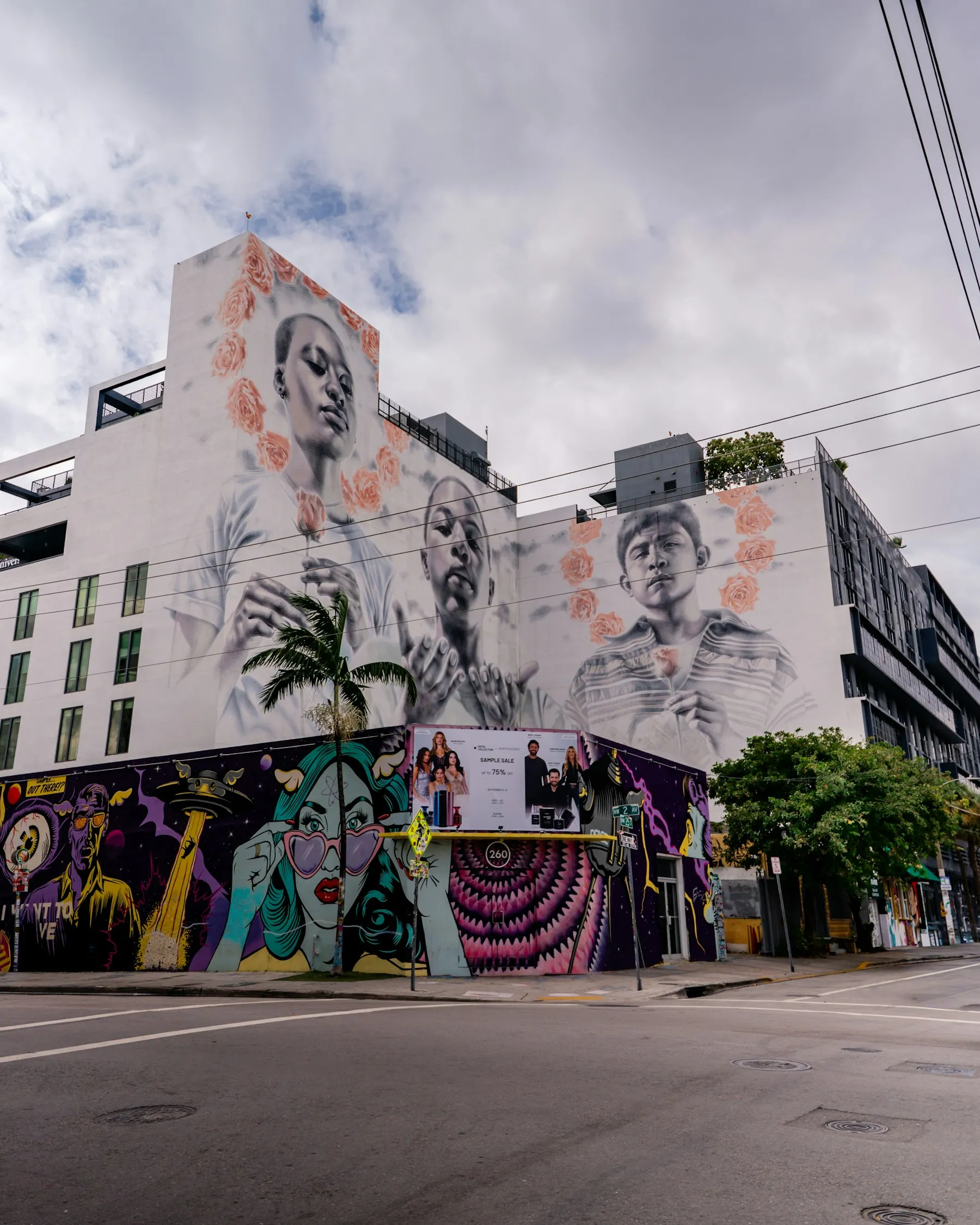
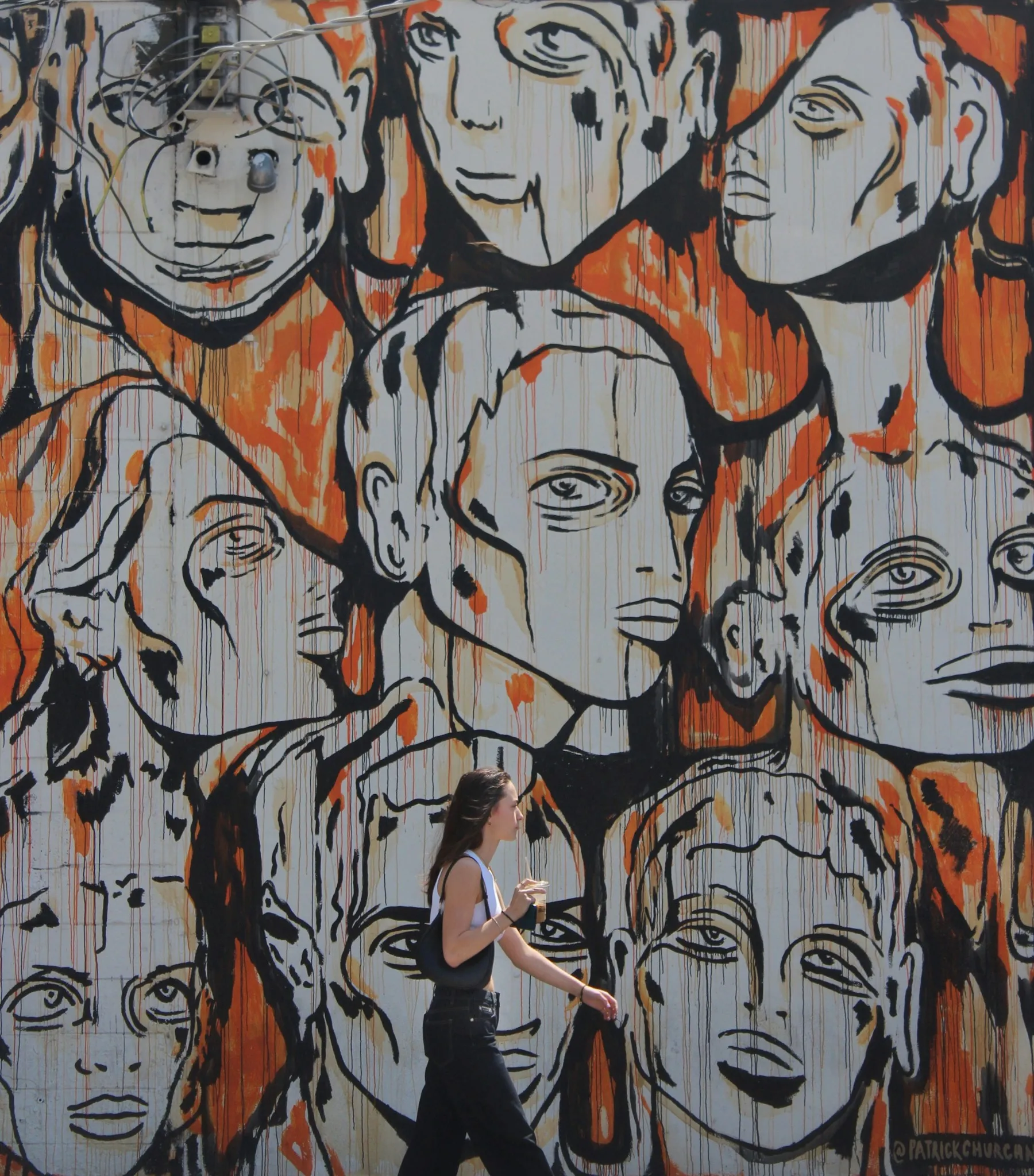
Across several cities, a different model is taking shape in former shops, libraries, courtyards, and transit spaces. These projects trade architectural purity for proximity. The floor may be uneven. Children may interrupt the talk. A neighbor may arrive for the first time because the door was already on their route home.
A more porous institution
The strongest spaces do not simply place art outside. They change how decisions are made: longer installations, shared commissions, free workshops, and schedules shaped around local life. Artists gain context instead of just exposure.
This does not make the work easier. It makes the institution more accountable to the place it occupies.