Design
Analog first, always
Before a single pixel gets pushed, the best design teams still reach for a pen. The constraint hasn't gone away — it's just gone quiet.
By Leo Okafor••2 min read
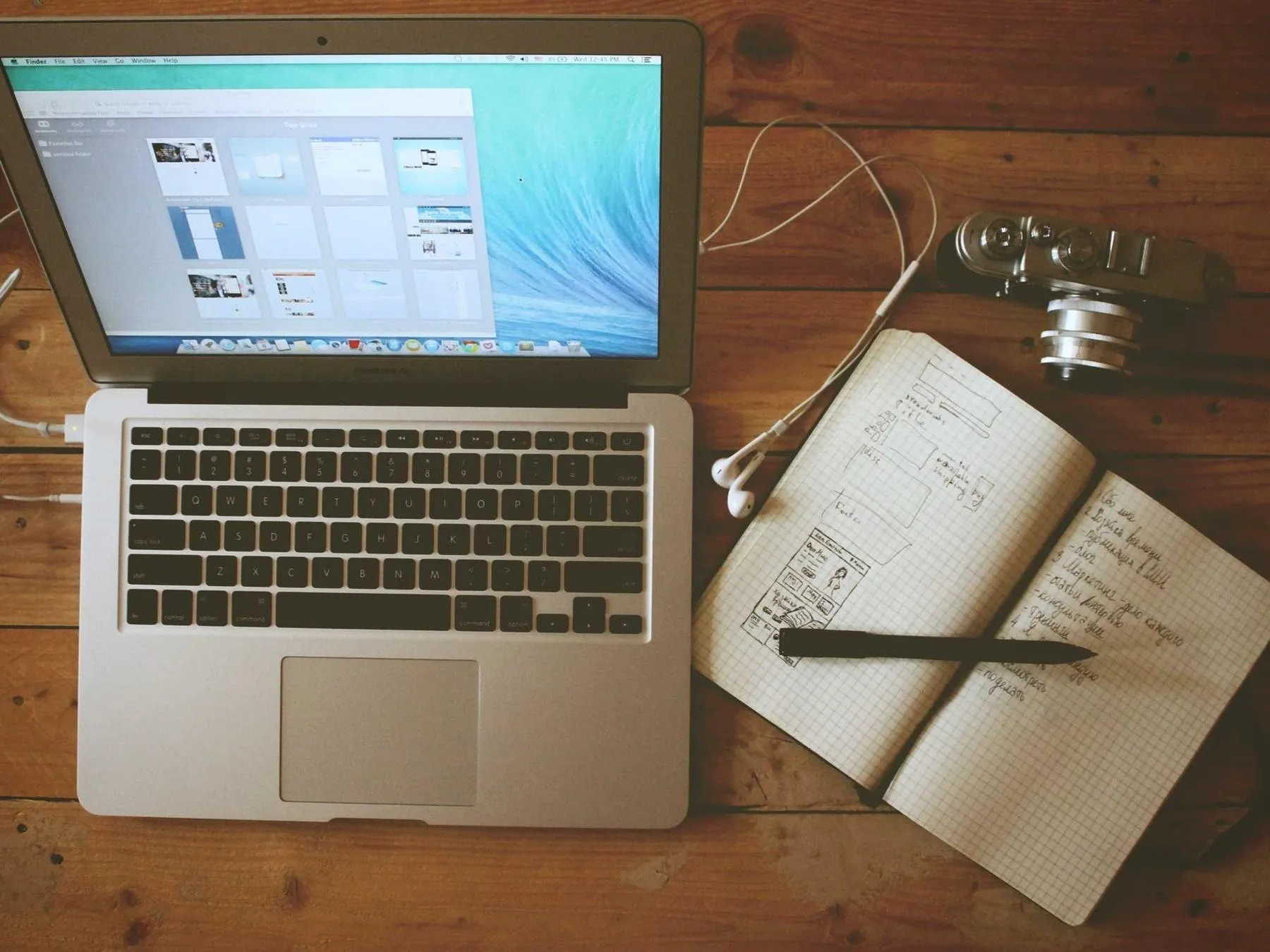
Every studio I’ve worked in has claimed to sketch first and meant it a little less each year. Software makes it so easy to arrive at something plausible-looking that the plausible-looking thing starts standing in for the idea itself. The page never asks you a hard question. A blank notebook does.
Friction is doing you a favor
A pen forces sequence. You can’t select fifty components from a library and drag them into a grid; you have to decide, stroke by stroke, what the thing actually is before you can show it to anyone. That slowness isn’t a productivity tax. It’s the part of the process where bad ideas are cheapest to kill.
The sketch that embarrasses you in the notebook would have shipped if you’d built it in the tool first.
— Leo Okafor
This isn’t nostalgia for paper. It’s a claim about sequencing: put the expensive, opinionated tool second, after the cheap, honest one has already done the work of narrowing the field.
What actually changes when you sketch first
Teams that protect this step tend to argue less about pixels and more about premises — because the premise got tested on paper, where changing your mind costs nothing. By the time the laptop opens, the argument that’s left is the right one: does this actually solve the problem, not does this button feel too big.
The tools keep getting faster. The reason to slow down at the start hasn’t changed at all.